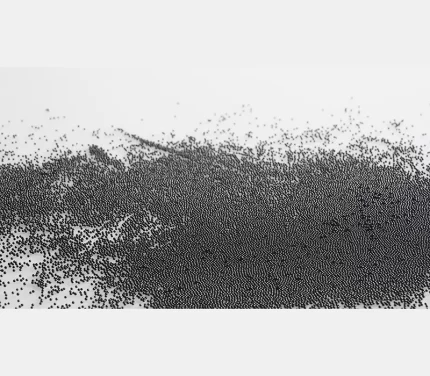


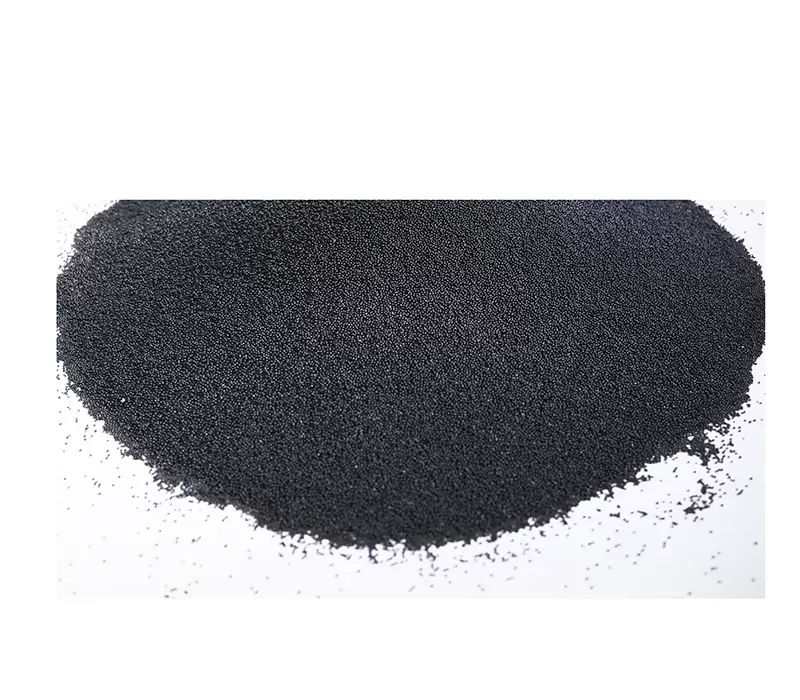
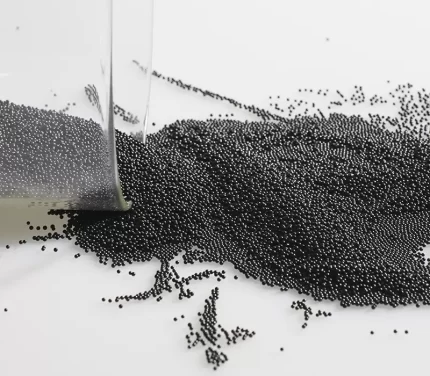
Replace the AST-120 from Kureha Chemical Industry Co., Ltd. in Japan, which is a porous spherical activated carbon with a diameter of 0.2 to 0.4 millimeters. Used for patients with chronic renal failure (CRF) to absorb uremic toxins in the gastrointestinal tract after oral administration and excrete them in feces, thereby improving the condition and prolonging the dialysis introduction period.
The main characteristic of spherical activated carbon is reflected in adsorption. The adsorption performance of spherical activated carbon can be divided into physical adsorption and chemical adsorption. Physical adsorption is due to the porosity of activated carbon, which gives it a huge specific surface area, resulting in strong adsorption. The micropore volume of spherical activated carbon is generally about 0.25-0.9 milliliters/g, and the BET specific surface area is about 500-2000 square meters/g. Spherical activated carbon not only contains carbon, but also functional groups such as oxygen and hydrogen, such as carbonyl, carboxyl, phenol, lactone, quinone, and ether groups, which can form chemical bonds with molecules of other substances and play a role in chemical adsorption. Due to the large specific surface area of spherical activated carbon, it rapidly diffuses in the intestine after oral administration and can effectively absorb uremic toxins, preventing these toxic substances from circulating in the body but being excreted from the intestine. This rapidly reduces the accumulation of creatinine and uric acid in the body, effectively reducing the entry of these toxic substances into the bloodstream through the intestinal mucosa, thereby improving the symptoms of uremia in CRF patients and delaying the start of hemodialysis. This product has the characteristic of not absorbing digestive enzymes from the gastrointestinal tract and not being absorbed by the gastrointestinal tract after oral administration.